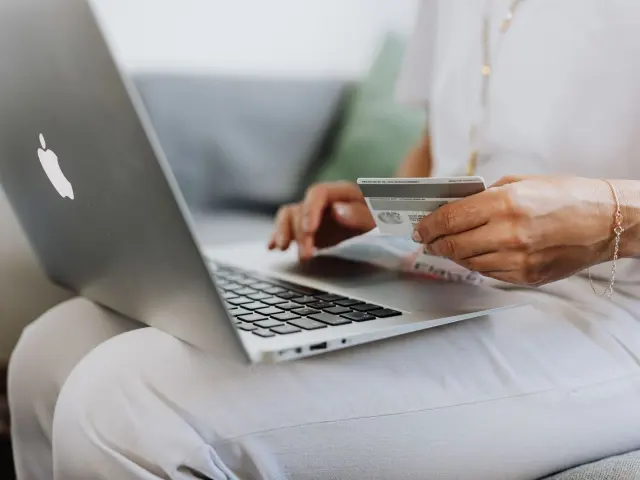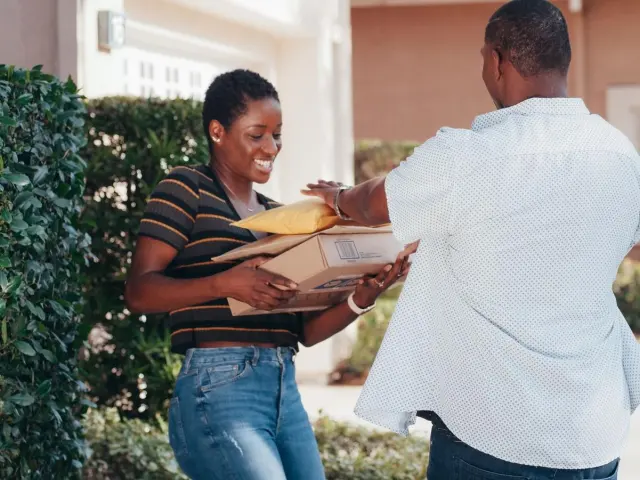
If you shop online and wonder whether your parcels are doing harm, sustainable ecommerce is about cutting packaging, returns and transport emissions. The main levers are fewer returns, smarter logistics and longer-lived products.
| Item | Value |
|---|---|
| Packaging from online shopping versus brick-and-mortar stores | 4.8 times more |
| Average share of online purchases returned | 30% |
| Share of e-commerce industry emissions attributed to returns | 25% (7% for in-person retailers) |
| Extra delivery emissions from transporting a return | 30% increase |
| HVO100 renewable diesel versus conventional diesel, CO₂ per kilometre | 91% less |
| A returns-logistics firm’s goal for emissions per returned parcel | 50% cut by 2030 |
These figures come from a CleanHub report covered by Packaging Europe and from a ReBound Returns post. They are company claims and can change, so check the source before you rely on them.
Why is sustainable ecommerce hard to get right?
Online retail is convenient, but the convenience hides costs. According to the CleanHub report, as covered by Packaging Europe in March 2024, online shopping is said to generate 4.8 times more packaging than brick-and-mortar stores.
The picture is not one-sided. The same report says in-store shopping processes are thought to generate twice as many emissions as online alternatives, yet e-commerce apparently results in more returns, and returns are where much of the damage builds up.
So the useful question is not “online or in store?” but “where does the waste come from?” The main sources named in the two sources we draw on are:
- Extra packaging, including the plastic and cardboard that returned items can require.
- Returns, which add transport and reprocessing on top of the original delivery.
- Parcel transport, especially air travel and diesel vehicles.
- Returned goods that are thrown away instead of resold.
If the term is new to you, start with what is sustainability for the wider idea. For a closer look at the shopping side, our guide to the environmental impact of online shopping goes deeper.
Why do returns matter so much?
Returns are the pressure point. The CleanHub report, as covered by Packaging Europe, says an average of 30% of products bought online are returned, and that online returns emit up to 24 million metric tonnes of CO2 annually.
The gap with physical shops is large, as the table below shows.
| Measure | In-store | E-commerce |
|---|---|---|
| Share of purchases returned | 5-10% | Up to 40% |
| Share of industry emissions attributed to returns | 7% | 25% |
Both rows are reported by Packaging Europe from the CleanHub report, and the exact return rate varies by industry.
Fashion and the cost of a return
Clothing is the hardest hit. The report puts the average return rate for clothes at 32% and says up to 40% of garments are sent back after purchase, with wardrobing (buying a garment for short-term use and returning it under false claims for a full refund) named as a driver, according to Packaging Europe.
Sending an item back also adds emissions. The same report states that transporting returns typically increases a product’s delivery emissions by 30%, and that 91% of the packaging waste created when a returned product is unwrapped and repackaged is said to end up in landfill, as Packaging Europe reports.
The money side
Returns are costly for sellers too. US retailers are calculated to have lost $816 billion to returns processes in 2022, and retailers are thought to have disposed of over 9.5 billion pounds of returned products because that can be more cost-effective than reselling them, per Packaging Europe.
That is why returns are an environmental and a business problem at once. Our explainer on ecommerce returns environmental impact covers the issue in more detail, and a practical guide on how to reduce ecommerce returns covers what to do about it.
How can parcel logistics get greener?
Moving parcels, and moving them back, is a big part of the footprint. ReBound, a returns-logistics company, described its own approach in a June 2025 post. These are the company’s own claims, but they show the kinds of levers that exist. For the wider field, see our overview of green logistics.
- Smarter routing: optimising each journey to avoid inefficiencies, especially unnecessary air travel, according to ReBound.
- Renewable fuel: in 2023 ReBound introduced HVO100, a renewable diesel made entirely from vegetable oils, in two of the countries where it manages returns, and says it generated 91% less CO₂ per kilometre than conventional diesel in its network (source).
- Rail and sea: its integration with the rail network in Portugal and Spain saw CO₂ from parcel returns fall by up to 88% over long distances, per ReBound.
- Electric vehicles: used in returns operations wherever possible, based on which carriers are improving their electric fleets (source).
- Reusable packaging: introduced for returned goods in 2023, with measurable carbon savings and cost reductions for retailers in the trial, ReBound says.
Measuring before cutting
Data comes first. ReBound scores carriers on a scale of 1 to 10 in an annual survey, treats scores above 7/10 as sustainable, and aims to have 85% of parcels handled by sustainable logistics partners by 2030, as its own post explains.
It also built a real-time carbon reporting tool for return shipments, so changes show up immediately. Its stated commitment is to cut emissions per returned parcel by 50% by 2030, according to ReBound.
Can products stay in use longer?
The cleanest return is the one that never travels back to a warehouse. ReBound says it helps retailers choose alternatives such as donation, repurposing through rental channels, or recycling, and cites experts who estimate that doubling an item’s lifecycle can cut greenhouse gas emissions by up to 44% (ReBound).
It also points to a partnership with ESO Recycling as an example of local solutions that remove the final mile for items that do not need to go back. That idea sits within recommerce, and you can read what is recommerce for the basics.
You can take part on either side of the market:
- If you have items to pass on, this guide on how to sell secondhand items online is a starting point.
- If you want to buy used or restored goods, the refurbished products buying guide helps you shop with fewer surprises.
What can shoppers and retailers do?
Change is needed on both sides. CleanHub’s research suggests that 66% of shoppers surveyed in 2023 want more sustainable practices and think the returns process should improve, Packaging Europe reports. The report also says only 20% of products ordered online are returned due to damage.
For shoppers
- Move away from wardrobing and from buying the same product in multiple sizes.
- Choose durable, high-quality items.
- Read a retailer’s return policy and ESG commitments before you buy.
Those three steps come from the CleanHub recommendations covered by Packaging Europe. For everyday habits, see our sustainable online shopping tips, and our guide to eco-friendly product labels ecommerce is a good place to check what a green badge on a product page tells you.
For retailers
- Optimise return processes and make the impact of returns visible to customers.
- Switch to sustainability-minded packaging, cut packaging to its essential parts and ask customers to reuse packaging for returns.
- Use incentives to shift behaviour: the report says 49% of retailers still offered free returns, while 40% charged customers for returns in 2023.
- Test technologies such as virtual try-on, which are set to cut the number of products sent back to warehouses.
All four points are summarised from Packaging Europe’s coverage of the report, which is an industry claim rather than an independent audit.
Frequently asked questions
Is online shopping worse for the environment than shopping in store?
Show answer
Not necessarily. The CleanHub report says in-store shopping processes are thought to generate twice as many emissions as online alternatives, but online generates more packaging and far more returns, according to Packaging Europe.
How many online purchases are returned?
Show answer
The report cites an average of 30% of products bought online, with clothing higher: an average return rate of 32% and up to 40% of garments sent back, per Packaging Europe.
What is HVO100?
Show answer
ReBound describes it as a renewable diesel made entirely from vegetable oils. It reports that HVO100 generated 91% less CO₂ per kilometre than conventional diesel in its network, in a June 2025 post.
What can I do as a shopper today?
Show answer
Buy durable items, avoid ordering several sizes to send back, and check the return policy and ESG commitments before you buy, as the report recommends in Packaging Europe‘s coverage.
Do free returns encourage waste?
Show answer
The sources do not measure that directly. They do note that 49% of retailers still offered free returns while 40% charged for returns in 2023, and that incentives can be used to change customer behaviour (Packaging Europe).