Wondering what is recommerce? It’s the resale, refurbishment and reuse of products after their first owner is finished with them. If you shop or sell online, it’s a way to keep goods in use. Here’s how it works.
Recommerce is one part of sustainable ecommerce, so read this page as a focused look at the resale side of the picture.
| Item | Value |
|---|---|
| Recommerce market size, 2025 | $235.37 billion |
| Forecast market size, 2026 | $257.73 billion |
| Forecast market size, 2030 | $366.68 billion |
| Forecast annual growth (CAGR) to 2030 | 9.2% |
| Year the term “recommerce” was introduced | 2005 |
The market figures come from a Research and Markets report listing and the term’s origin from ReturnPro. Market forecasts can change, so check the source before you rely on them.
What recommerce means and where the term came from
Recommerce, also called reverse commerce, is the buying and selling of previously owned goods through a circular supply chain, rather than a one-way flow from seller to consumer, as ReturnPro’s definition puts it. A product does not stop at the customer’s door. It can come back to a retailer, manufacturer or resale channel for another use.
The term is commonly traced to George F. Colony of Forrester Research, who introduced it in 2005, according to the same ReturnPro guide. Since then the idea has grown well beyond secondhand marketplaces.
Another guide, from inRiver, describes it as the resale, refurbishment, or recycling of products after their first use. It calls recommerce the practical side of the circular economy.
The contrast with ordinary online retail is the return path. Traditional ecommerce is linear: goods go from a manufacturer or retailer to the buyer, and the forward transaction ends there. Recommerce adds a route back.
How does recommerce work, step by step?
A recommerce operation turns a returned, used or excess product into a second sale. ReturnPro describes the usual sequence like this:
- Collect and route. Products enter through customer returns, trade-in programs, lease returns, buyback channels or other recovery streams.
- Inspect and grade. Teams check the physical and functional condition, and a consistent grading system separates items that can be resold as-is from those needing refurbishment, recycling, liquidation or responsible disposal.
- Refurbish or repair. Parts are cleaned, repaired or replaced, then the item is tested against performance and safety criteria.
- Resell or recover. The item goes back to market through a storefront, resale channel or marketplace, and anything that cannot be safely or economically resold goes to parts recovery or material recycling.
Refurbishment is selective. The expected resale value has to justify the labor, parts, handling and warranty exposure, so not every returned item gets repaired.
Products and channels that count as recommerce
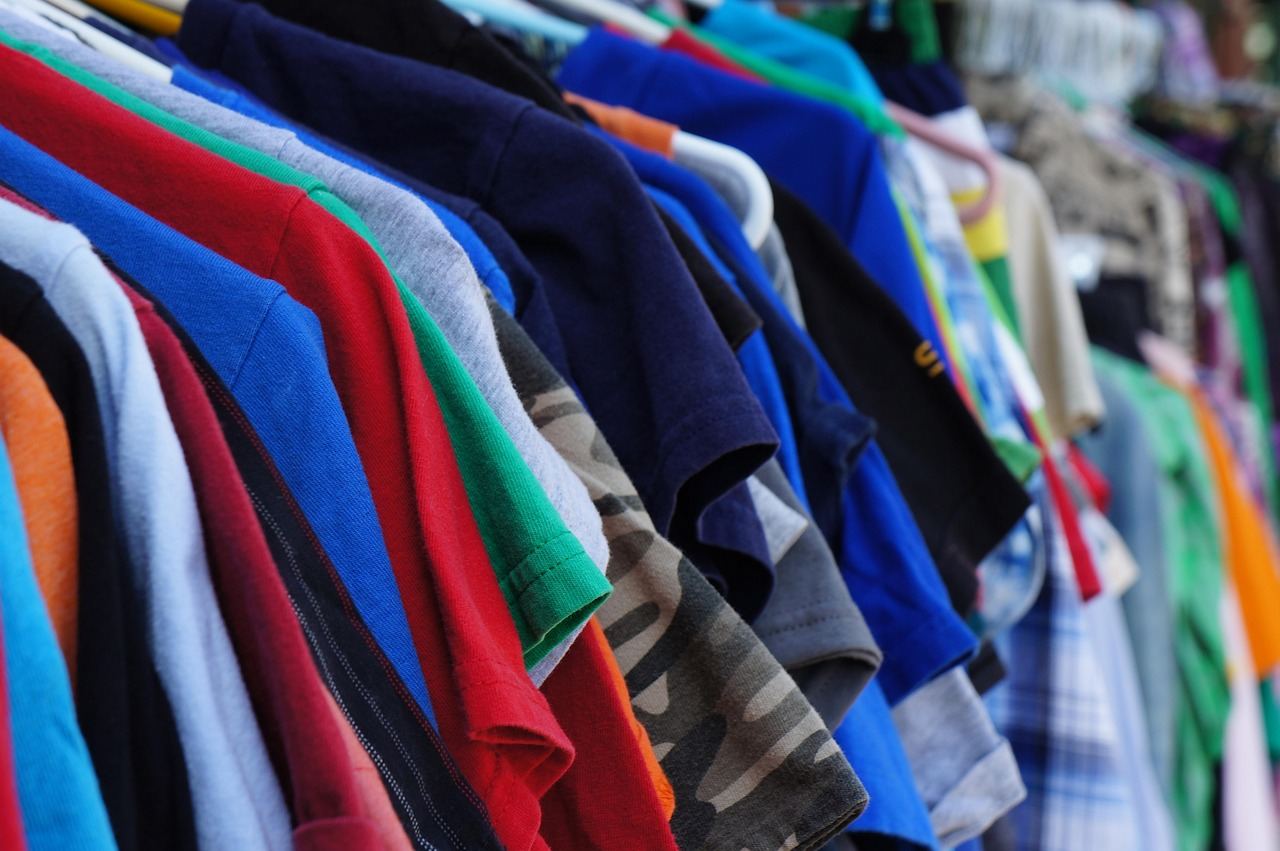
Recommerce covers more than a used jacket on a resale app. The model can include several kinds of goods:
- Returned products that a customer sent back.
- Traded-in products, such as devices swapped for credit.
- Refurbished or repaired products.
- Otherwise pre-owned products.
Once graded, ReturnPro says inventory may be sold as refurbished, open-box, used or certified, depending on its grade and testing results. The label you see tells you something about the item’s history, so it is worth reading.
The inRiver guide looks at how recommerce differs across apparel, electronics, furniture and beauty. Each sector has its own challenges, from verifying condition data to tracing materials.
Why recommerce is growing
A report listing on Research and Markets, dated February 2026, puts the global market at $235.37 billion in 2025 and $257.73 billion in 2026. It forecasts $366.68 billion in 2030. The listed drivers include:
- Increasing consumer awareness of sustainability.
- Growing demand for affordable second-hand products.
- Rising e-waste management concerns.
- Expansion of online resale platforms.
- Increasing adoption of refurbishment services.
Other estimates differ. In its October 2025 guide, inRiver says the global resale market is projected to reach $350 billion by 2028. A January 2025 update from Empire Flippers cites a MarkNtel Advisors projection of a 19.22% annual growth rate from 2023 to 2028. Treat any single forecast as an estimate.
For businesses, the pitch is recovered value. inRiver says brands can recover 15-30% of product value through recommerce programs while lowering disposal costs. Both inRiver and ReturnPro sell services in this space, so read their claims as industry views rather than neutral measurements.
The environmental case rests on keeping products in use. ReturnPro says this extends product lifecycles and can reduce the waste associated with producing and disposing of replacements. It also cites an EPA statistic, reported by Visa, that less than 15 percent of textiles are recycled, leaving approximately 85 percent burned or sent to landfills.
Rules are moving in the same direction. As of inRiver’s October 2025 guide, the EU’s Ecodesign for Sustainable Products Regulation and upcoming Digital Product Passport rules will require brands to trace materials, components and product origins across their full lifecycle.
What to check before you buy or sell
Recommerce is not risk-free. Empire Flippers notes that buyers often worry about the actual condition of items and the accuracy of product descriptions, and that sellers have to consider warranties and liabilities for used and refurbished goods.
A few habits help on either side of the sale:
- Look for a clear grade or condition label, and a photo that matches it.
- Check the warranty and returns policy before you pay.
- If you sell, document missing parts, wear and damage at intake.
- Treat green claims with care and see how listings are labelled, as covered in our guide to eco-friendly product labels ecommerce.
To see where resale fits against shipping and packaging, read our overview of the environmental impact of online shopping for the wider context.
Frequently asked questions
Is recommerce the same as buying secondhand?
Show answer
Not quite. Secondhand buying is one part of it, but recommerce also covers returns, trade-ins, refurbishment and the business systems that grade and route goods back to market.
Who introduced the term recommerce?
Show answer
Credit usually goes to George F. Colony of Forrester Research, who used the word in 2005 while discussing technology spending after the dot-com bubble, per ReturnPro.
How big is the recommerce market?
Show answer
One report listing estimates $235.37 billion in 2025 and $257.73 billion in 2026. Other publishers give different figures, so treat the numbers as estimates.
Does recommerce help the environment?
Show answer
According to ReturnPro, keeping products in circulation extends their lifecycles and can reduce the waste associated with producing and disposing of replacements. The benefit depends on the item and how it is handled.