Ever sent an order back without a second thought? The ecommerce returns environmental impact is real: returns typically add up to 30% to the emissions of the initial delivery, plus packaging and landfill risk.
This guide is part of our wider look at sustainable ecommerce.
| Item | Value |
|---|---|
| CO2 attributed to ecommerce returns each year | Up to 24 million metric tons (Optoro, 2022) |
| Returned products sent straight to landfill in 2022 | Over 9.5 billion pounds |
| Extra emissions from a return, relative to initial delivery | Typically up to 30% |
| Packaging waste from online shopping vs brick-and-mortar stores | 4.8 times more |
| Average return rate for clothing vs consumer electronics | 32% vs 7% |
These figures come from CleanHub’s blog post on returning online products, dated August 2025, which in turn cites other studies. Estimates like these change and come from different years, so check the source before you rely on them.
Where the emissions from returns come from
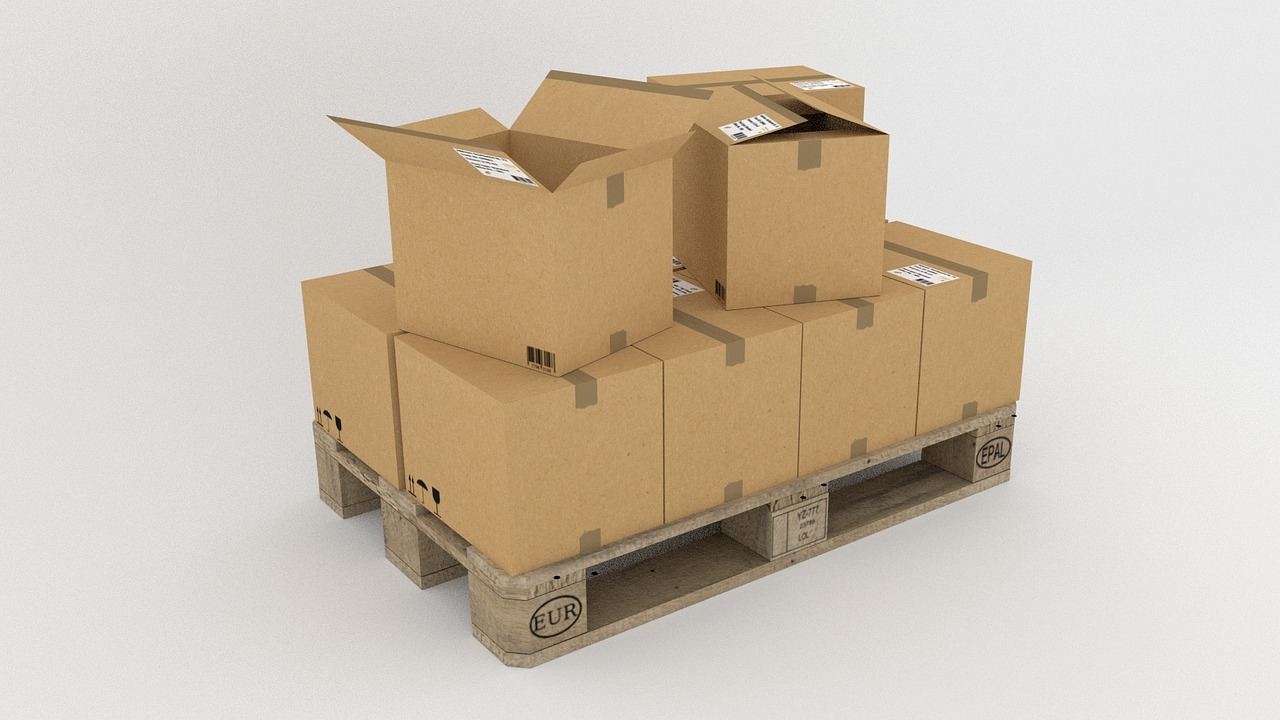
A return is a second journey. The parcel is collected or dropped off, carried by couriers and trucks, and shipped back to a retailer’s warehouse, as CleanHub’s overview explains.
That extra trip matters. The same source says the carbon emissions associated with returns typically add up to 30% to the emissions of the initial delivery.
At the national and global scale, CleanHub reports that up to 24 million metric tons of CO2 are attributed to ecommerce returns each year, citing Optoro in 2022. Read that as an upper-end estimate, not a precise count.
Distance adds to the problem. Many retail warehouses are overseas, so return parcels can travel internationally, and the same post notes that international shipping accounted for 3% of the world’s total carbon emissions in 2022.
Emissions in a return come from several steps:
- Courier collection or drop-off and the trip back to the retailer.
- Longer, sometimes international, freight to a central warehouse.
- Energy for cleaning, repackaging or repairing items before any resale.
Packaging and reverse logistics add to the load
Returns involve more than transport. The process is often called reverse logistics, and CleanHub says some products must be cleaned, re-packaged or repaired, which raises the energy needed.
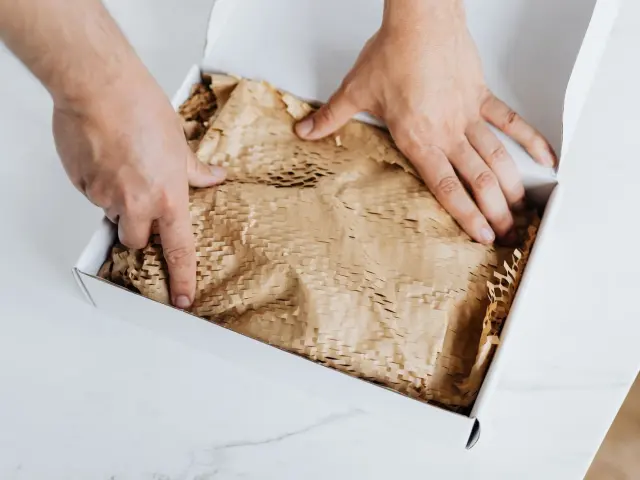
Packaging is a big part of it. According to the same source, online shopping generates 4.8 times more packaging waste than brick-and-mortar stores, and returned items often need extra plastic or cardboard.
The wider plastic picture is worse. CleanHub states that some 91% of all plastic packaging waste will eventually end up in landfills or polluting the environment.
What happens to returned items?
Many shoppers assume a returned item goes back on the shelf. The reality is less tidy, because processing teams decide whether reselling is financially worth it, and sometimes it is not.
CleanHub reports that in 2022 alone, companies sent over 9.5 billion pounds of returned products straight to landfill, a figure it attributes to Optoro. It also cites a total cost of returns to US retailers of $816 billion in 2022, and says processing costs are a main reason items are discarded.
Clothing is a particular worry. CleanHub notes that tried-on or worn garments are hard to resell, and that synthetic fabrics such as polyester can sit in landfills for decades.
Some companies are building tools to divert goods from disposal. Optoro’s own page says that in August 2025 Blue Yonder acquired it to strengthen returns management and reverse logistics, including recommerce capabilities that help get products back into circulation instead of landfills. That is a vendor’s description of its own service, not independent proof of results.
Why fashion and bracketing drive so many returns
Return rates differ sharply by product. CleanHub gives an average 32% return rate for clothing compared with 7% for consumer electronics, and says customers sent back up to 40% of garments in 2018.
Channel matters too. The same post says online shopping leads to almost three times as many returns as store purchases, and that 16.6% of all US purchases were sent back in 2021, a 6% increase from the year before.
Shopper behaviour plays a part. Around 49% of retailers offer generous free returns, and CleanHub says two-thirds of customers bought multiple sizes and colors in 2020 intending to send many back, a habit called bracketing.
How you can shrink the footprint of your returns
Most of the impact is decided before you click “buy”. The easiest return to make greener is the one that never happens.
- Check size guides, reviews and fabric details so you buy one size, not three.
- Buy only what you need, when you need it.
- Consider buying local or second hand, as CleanHub suggests.
- If you must return something, use the original packaging rather than adding more.
Retailers have a larger lever than shoppers. For practical steps on that side, see our guide on how to reduce ecommerce returns.
Returns are one slice of a bigger footprint, and our article on the environmental impact of online shopping covers the rest of the picture.
Frequently asked questions
Do all returned items end up in landfill?
Show answer
No. Some are restocked and resold, and some are sold on in bulk. However, CleanHub reports that over 9.5 billion pounds of returned products went straight to landfill in 2022, so disposal is a real outcome.
Is a return worse than the original delivery?
Show answer
Not usually on its own, but it adds to it. The carbon emissions associated with returns typically add up to 30% to the emissions of the initial delivery, according to CleanHub.
Which products are returned most often?
Show answer
Clothing stands out. CleanHub cites an average 32% return rate for clothing compared with 7% for consumer electronics.
What is bracketing?
Show answer
Bracketing means ordering several sizes or colors of an item with the plan to return most of them. It adds avoidable shipping and packaging, and buying one carefully chosen size avoids it.