Wondering what a circular economy really means for the things you buy and throw away? It is a system that designs out waste, keeps products and materials in use, and regenerates nature.
The circular economy is one big idea inside the wider question of what is sustainability, and this guide covers its principles and everyday examples.
| Item | Value |
|---|---|
| Core principles | Three: design out waste and pollution, keep products and materials in use, regenerate natural systems |
| Greenhouse gases from heavy industry such as mining and processing | Half of all greenhouse gases put into the atmosphere |
| Consumer electronics that end up in landfill | 80% worldwide |
| Estimated emissions cut from global implementation | 22.8 billion tons, equal to 39% of global emissions produced in 2019 |
| Estimated cut from five sectors (cement, aluminum, steel, plastics, food) | 9.3 billion metric tons of carbon dioxide equivalent |
| Wood cascades before the fibre is burned | Three |
These figures come from RIT’s Center for Innovation in Manufacturing and Sustainability and Wikipedia’s circular economy entry. They can change, so check the source before you rely on them.
What the circular economy means
The Ellen MacArthur Foundation calls the circular economy a systems solution framework that tackles global challenges like climate change, biodiversity loss, waste and pollution. You can read its full explanation in its systems deep dive.
It is defined against the linear economy, which works like a conveyor belt: resources go in and waste comes out. The same source warns that this model consumes the earth’s finite natural resources and leads to high levels of waste and pollution that threaten the biosphere and human health.
Wikipedia quotes the European Parliament’s wording for the alternative: a model of production and consumption that involves sharing, leasing, reusing, repairing, refurbishing and recycling existing materials and products as long as possible. In other words, the aim is to extend product life, not just to sort rubbish better.
The three principles in plain terms
Both the Ellen MacArthur Foundation and RIT describe the same three principles, all driven by design:
- Eliminate waste and pollution. Problems are designed out before a product is made.
- Circulate products and materials. Items stay in use at their highest value for as long as possible.
- Regenerate nature. The system gives back to natural systems instead of only taking from them.
Design carries most of the weight. RIT notes that it is widely held that the design phase is the single most important determinant of a product’s impact on the environment.
Why does the linear model matter for emissions?
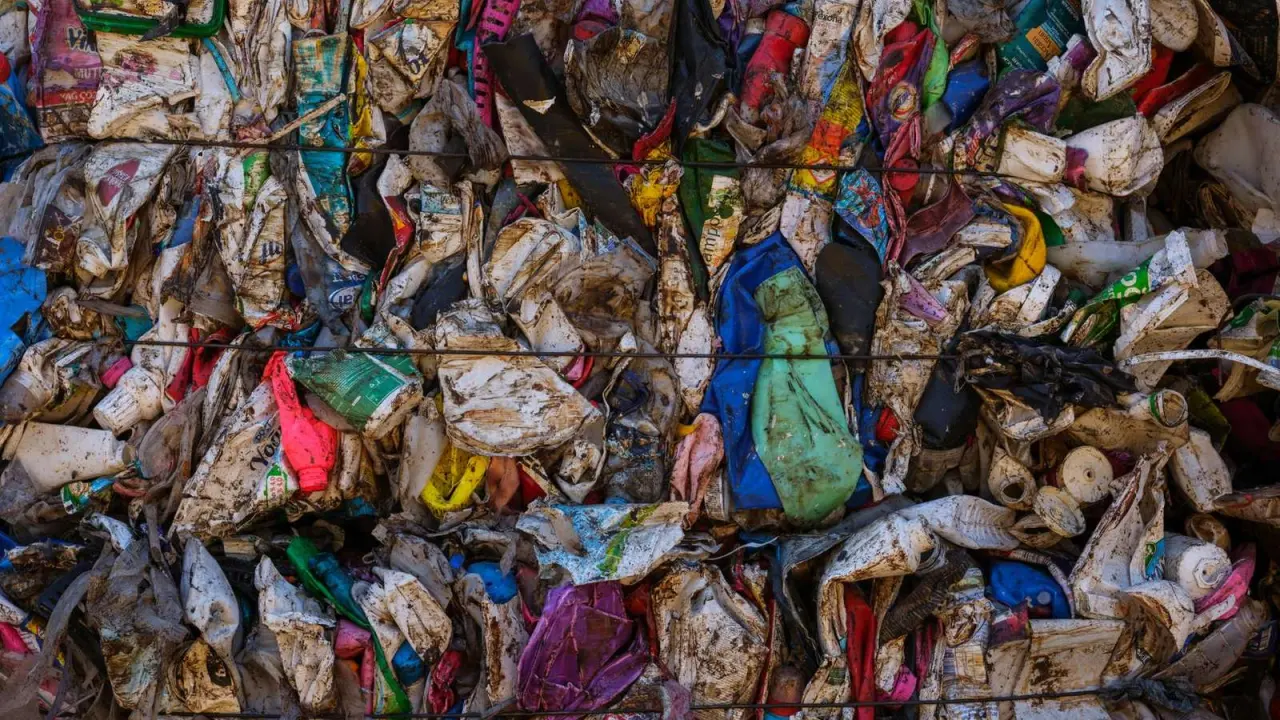
According to RIT, half of all the greenhouse gases put into the atmosphere come from heavy industrial activities like mining, extraction, processing and the transport of materials. When a product is thrown away, the energy that went into making it is lost too.
That is the idea of embodied energy. The same RIT page says 80% of consumer electronics end up in landfill worldwide, which it calls a missed opportunity to bring value back into the economy.
Life cycle analysis helps measure this. It considers the materials sourced, the energy and labour used to produce a product, how it is transported, how consumers use it and what happens when its useful life ends. If you want to see how such totals are built, read about carbon footprint calculation.
Wikipedia cites estimates that global implementation of circular strategies could cut emissions by 22.8 billion tons, equal to 39% of global emissions produced in 2019. It also says that five sectors alone (cement, aluminum, steel, plastics and food) could account for 9.3 billion metric tons of carbon dioxide equivalent. These are estimates, so treat them as a sense of scale rather than a promise (Wikipedia).
RIT adds that the idea is gaining ground as a realistic strategy for meeting the target set at the 2016 Paris Agreement for limiting global warming to 1.5 degrees Celsius.
Everyday examples of the circular economy
Circular thinking shows up in ordinary choices, often before anything reaches a recycling bin:
- Repairing and refurbishing a phone, appliance or piece of furniture instead of replacing it.
- Sharing and leasing things you only need now and then.
- Reusing items and materials for a second purpose.
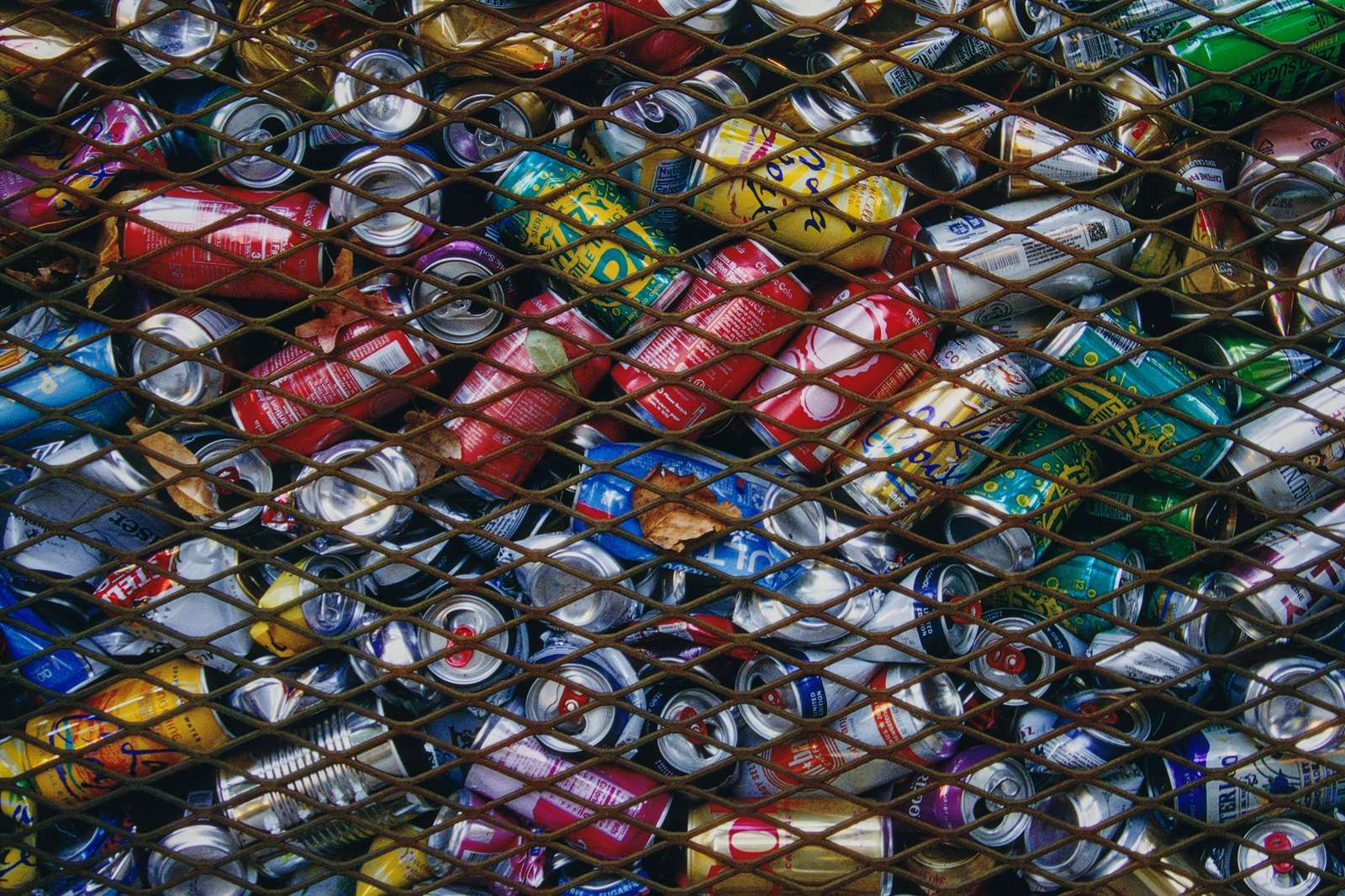
- Recycling what cannot be reused, as one loop among several.
Businesses build on the same ideas. Wikipedia lists circular business models such as product-as-a-service, sharing platforms and product life extension, which aim to optimise resource use and cut waste.
RIT gives a clear case from the wood industry, called cascading. The solid wood in a chair that is no longer useful becomes particle board chips, then fibre for paper products, and only after these three cascades is the post-consumer fibre burned. That means less virgin wood enters the supply chain.
Food is another everyday example. A McGill news item published on 7 Oct 2026 reports that research on a Too Good To Go partnership found it reduced fresh-food waste by 11% at Circle K U.S. stores (McGill Bensadoun School of Retail Management). It is a headline summary, so read the research itself before drawing wider conclusions.
At home, start with the loop closest to you. If recycling is your next step, a guide to recycling symbols explained helps you read the labels on packaging.
Why systems thinking matters
The Ellen MacArthur Foundation argues that big problems such as ocean plastic are systemic. It says ocean plastic results from reliance on single-use plastics, lack of consumer education and awareness, poor product design, business practices and incentives, and a lack of finance and infrastructure, among other things (Ellen MacArthur Foundation).
That is why no single fix is enough. A better bin does little if the product was designed to be thrown away.
The same source quotes Michael Braungart, co-founder of the Cradle to Cradle design concept, who says effectiveness rather than mere efficiency should be the end goal for an economy. In a cherry tree’s ecosystem the outputs of one process become inputs for another, so nothing is wasted.
Frequently asked questions
Is recycling the same as a circular economy?
Show answer
No. Recycling is one loop within a wider model that also includes sharing, leasing, reusing, repairing and refurbishing, according to the definition Wikipedia quotes from the European Parliament.
Does a circular economy mean there is no waste at all?
Show answer
The goal is to design waste and pollution out of industrial systems and keep materials in use for as long as possible, as RIT describes it. It takes its cue from the natural world, where nothing goes to waste and nothing is used just once.
What does cradle to cradle mean?
Show answer
RIT describes the circular economy as a pathway of cradle-to-cradle rather than cradle-to-grave for how we make and consume. Products are planned from the start so their materials can re-enter use instead of ending in a landfill (RIT).
Can the circular economy help with climate goals?
Show answer
Sources describe it as a strategy for cutting emissions and raw-material use. The size of the benefit depends on the estimate, so check the figures in the table above against the original source before you quote them.